
Wisdom & Wealth
Team Spotlight
This month, we’re reflecting on the people and experiences that have shaped our personal finance philosophies. From family members and mentors to life lessons learned along the way, we’re sharing some of the influences that continue to guide our approach to money and financial planning.
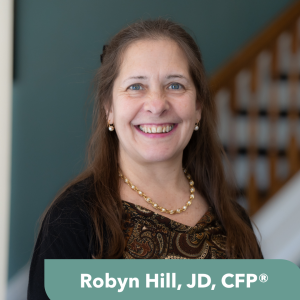
My biggest influence was definitely my mother. She taught me to use money responsibly but also share generously.
In his book Albion’s Seed, David Hackett Fischer discusses how various groups of British settlers influenced regional attitudes toward many aspects of life. He defines the Puritan attitude toward wealth as “Stewardship,” which can be summarized as an understanding that wealth should be saved, invested and used for the benefit of the community, rather than spent for personal indulgence.
My paternal grandfather’s ancestors arrived in Massachusetts around the time of the Mayflower. It seems clear that my mother, and therefore I, got our attitudes about money from those ancestors.

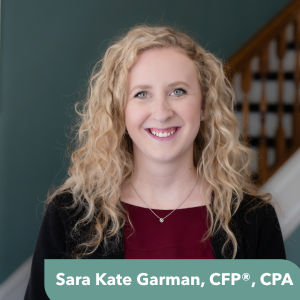
While it’s difficult to choose just one influence, I think my personal finance philosophy has been shaped the most by my mom. Growing up, she always emphasized the importance of making thoughtful financial decisions, spending carefully, weighing options, and of course, always saving a portion for the future.
One silly childhood moment comes to mind for this—when I was around six years old, I remember deciding to wrap up quarters in paper to give out to friends at school. After my mom asked me what I was doing, she explained to me that each of those quarters represented the hours that she and my dad had worked to earn them.
Though it was only a few quarters, for some reason, that lesson stuck with me. My mom’s influence helped shape my philosophy about saving, investing, and putting meaningful thought and consideration into my personal financial decisions.
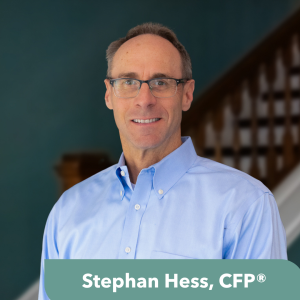
Losing all my marbles.
During recess in primary school, we would head out to the playground to play a game of both chance and skill with marbles. Winners took your marbles. This occurred in Nevada, so it would make sense that children would start gambling young. Large metal “Steelies” and acrylic “Clackers” were coveted more so than your typical glass marbles. Like pirates, we would walk around proudly carrying our sack of valuables, ready to take on the next person who was willing to wager.
His name was “Will,” and I will never forget his name. Will was just another student, but he was better than me. Will beat me “fair and square” and slowly took all my best items.
I learned some hard lessons. To this day, I cannot gamble with real money, and I don’t even like gambling with fake money.
“Money isn’t just money—it’s your life energy in another form.”
While I firmly believe our upbringing, our parents, family dynamics, and environment play a significant role in shaping how we view personal finance, one book I read in college has stayed with me ever since.
Your Money or Your Life reframed everything. It challenged the idea that more is always better and instead introduced the concept of “enough.” At some point, the pursuit of more income delivers diminishing returns, both in happiness and fulfillment.
What mattered most wasn’t accumulation, but alignment. If every dollar spent represents a piece of your life energy, the real question becomes: is what you’re spending on truly worth what it cost you to earn it?

Like many people, my parents gave me the foundation for how I look at money. Not surprisingly, growing up with a financial planner in the house tends to have that effect!
Looking back, I can see the intentional choices they made that helped give me a strong start in life while also allowing them to stay in control of their own financial future. They drove modest cars, we went to the same pizza place each week, and our family vacations were spent at a beach house year after year.
Nothing was luxurious by any means, but growing up, that didn’t matter. Through watching my parents, I’ve learned that intangible things like financial independence and having more control over my future are the best things that money can “buy.”
The challenge is that these goals take time to reach, which is exactly why getting started early matters so much.

My personal finance philosophy has been shaped most profoundly by going through divorce and navigating life as a single mom. That experience forced me to see money not just as numbers on a page, but as security, independence, and peace of mind for my family.
Suddenly, every decision carried more weight—budgeting became nonnegotiable, saving became a priority, and resilience became essential. I learned that perfection isn’t realistic, but consistency is powerful. Over time, my mindset has shifted from simply getting by to intentionally building stability.
While the journey began in uncertainty, it’s grown into something empowering. Today, I view personal finance not just as a challenge I had to overcome, but as a tool that allows me to create a more secure, flexible, and hopeful future for both myself and my children.
Let’s Decode The Headlines
Check out Hess Financial’s Recent Blogs
Our goal is to decode the stories you see on the news into simple and straightforward concepts that are easy to digest. Let us know what you think!

Taxes Don’t Have to Destroy Your Wealth-Building Plans
Stephan Hess, CFP®, CDFA®, explains that while taxes are unavoidable, there’s a smarter long-term financial strategy.

Why Your Credit Score Still Matters — and How to Improve It in 2026
Robyn Hill, CFP® CDFA®, talks about how your credit score impacts loan rates, approvals and long-term wealth, plus how to improve it.

How AI Is Changing the Financial Landscape: What Investors Should Know in 2026
Derek Hess, CFP®, discusses how investing in AI impacts your portfolio, the economy, and how to stay protected from new fraud risks.
Market Update